The architecture of andor
What a Star Wars show can teach us about designing for a world beyond the frame.
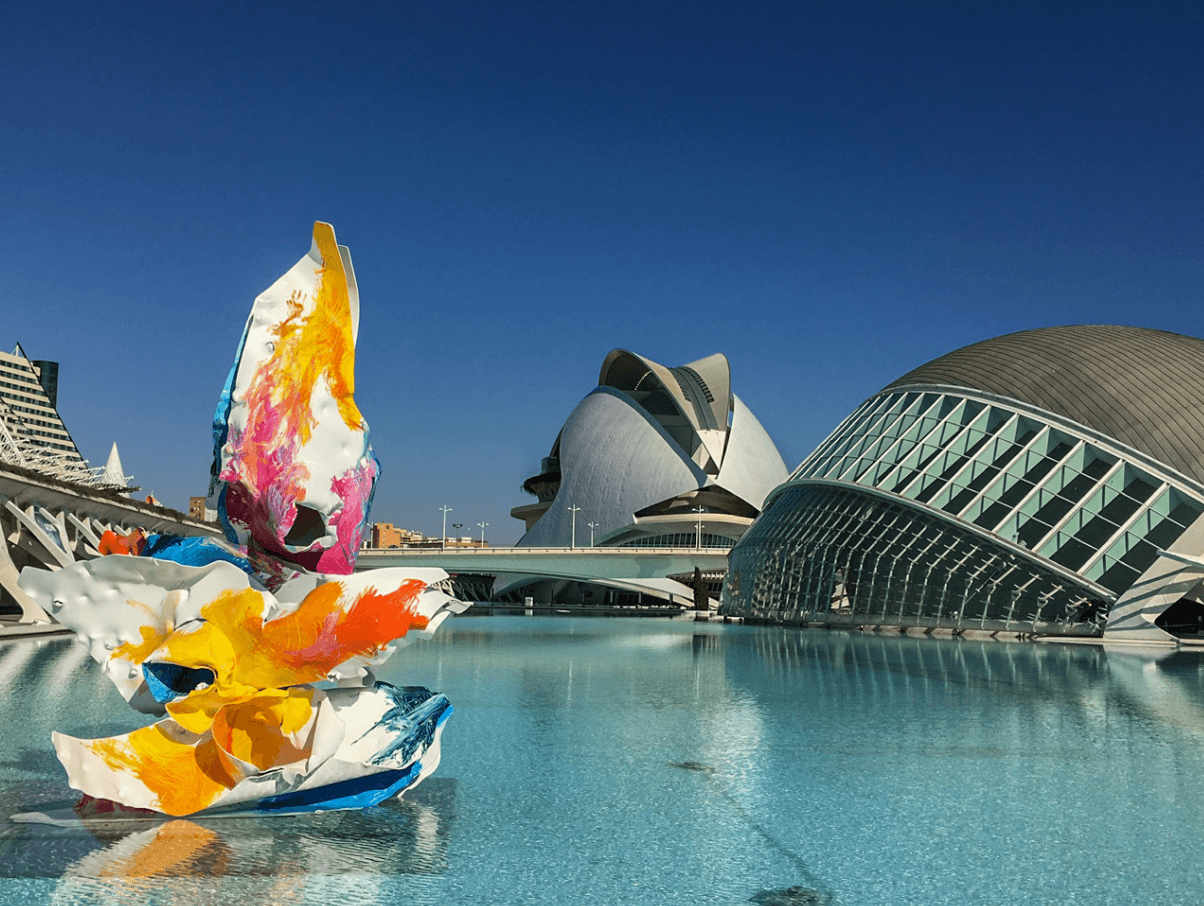
Image: City of Arts and Sciences, Valencia, Spain.
I put off watching Andor for months because I assumed I knew what a Star Wars show would look like — chrome, glow, the same silhouettes I'd seen since I was a kid. Then I sat down for one episode and found myself pausing on a courtyard, not for the plot, but because I wanted to know what that stone was and why the arches felt so specifically lived-in. That's not a feeling most sci-fi gives you. It's a feeling good architecture gives you.
So today, a look at how Andor's design team built a galaxy that reads like it was designed by history instead of by concept art — and what that approach has to teach the rest of us who design for real rooms.
BORROWED BONES
Principle: The most convincing fictional worlds are built from real architectural language, not invented from scratch.
The example: Production designer Luke Hull has talked about resisting the instinct to sketch something "unique" that quietly turns out to be a rehash of what's already been done. Instead, his team leaned on real precedent — Brutalist structures echoing London's Barbican estate for the upper tiers of Coruscant, and the complex curves of Santiago Calatrava's architecture for its skyline. A dam in Scotland became the visual seed for one of the show's most striking government structures. For the Senate complex, the team transformed Valencia's City of Arts and Sciences into something that reads as both alien and entirely plausible.
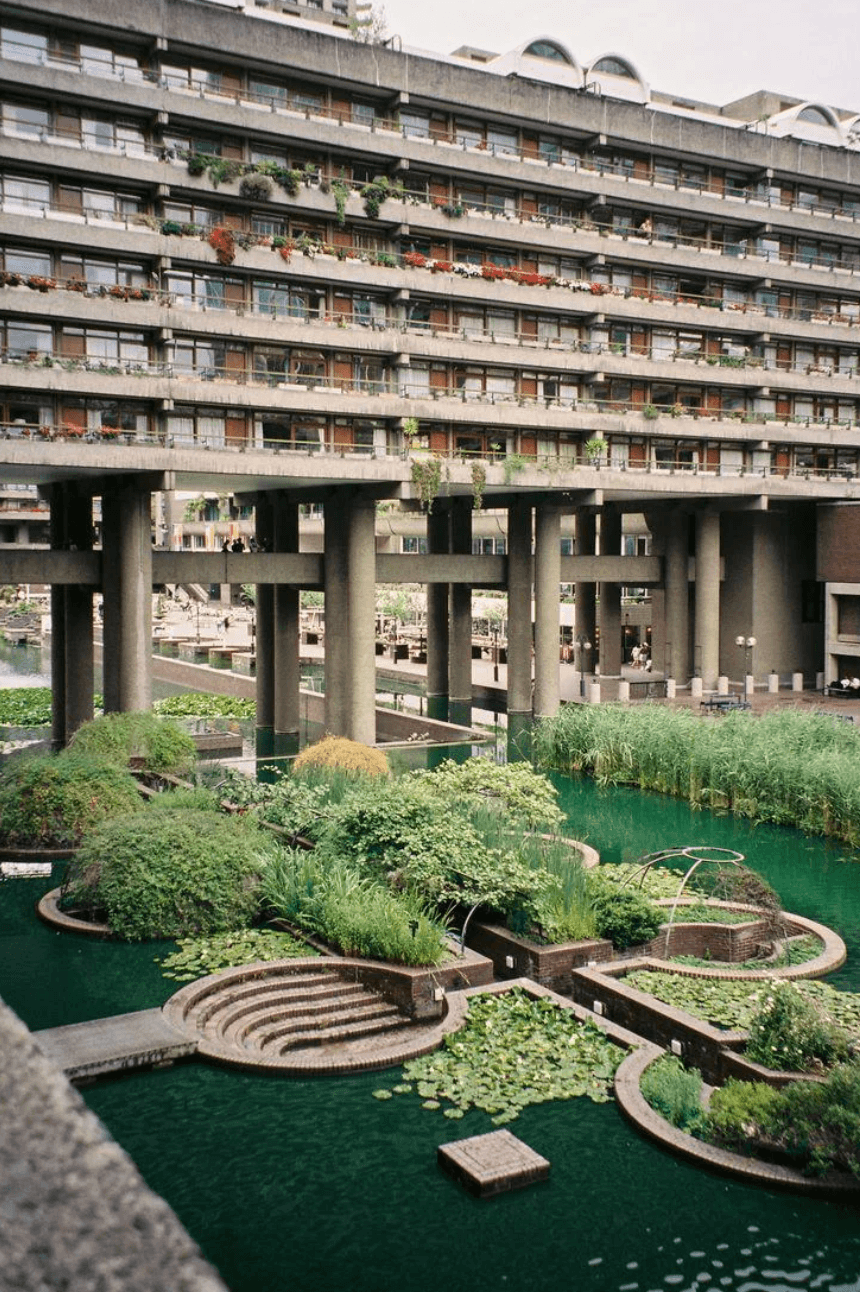
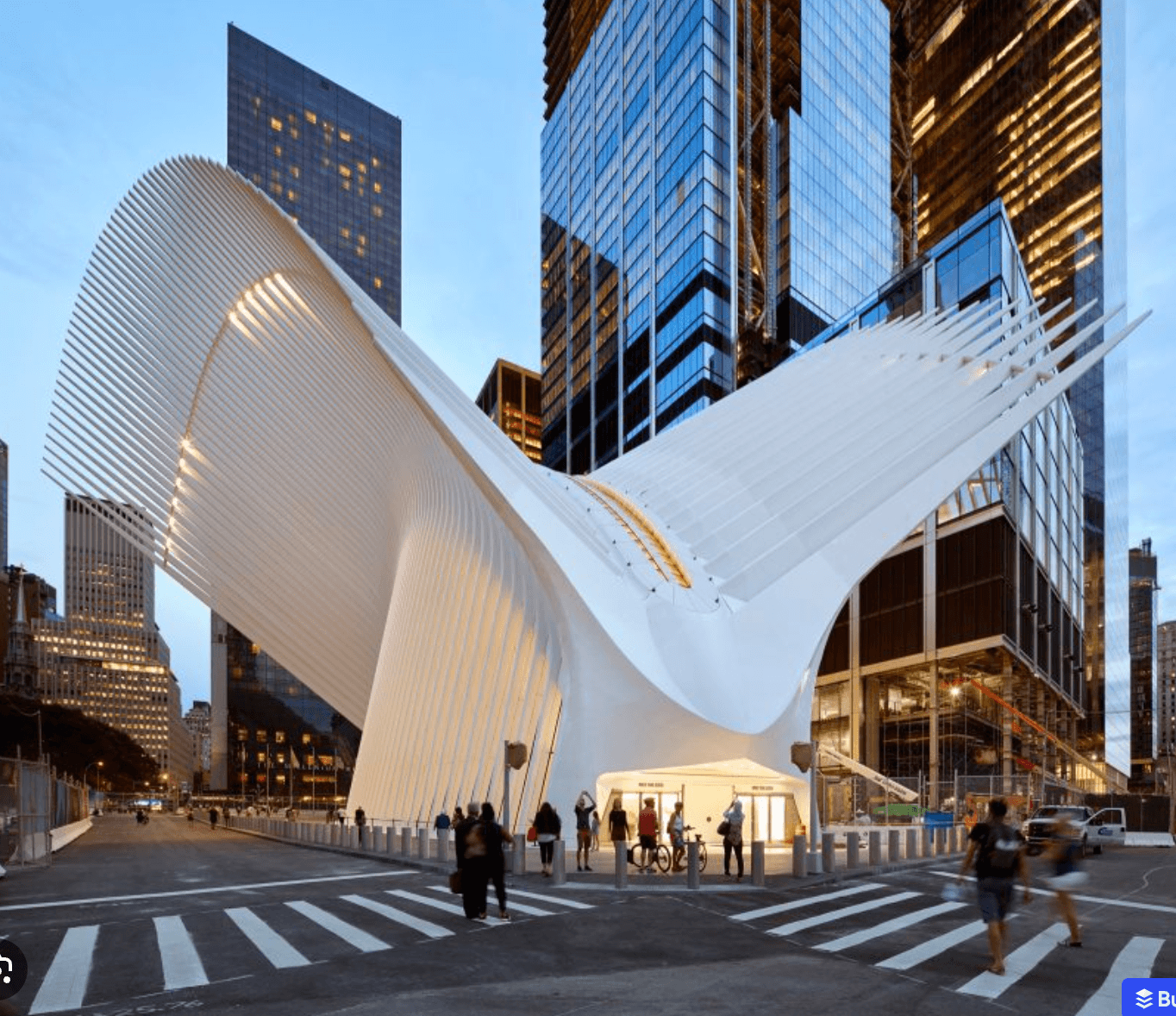
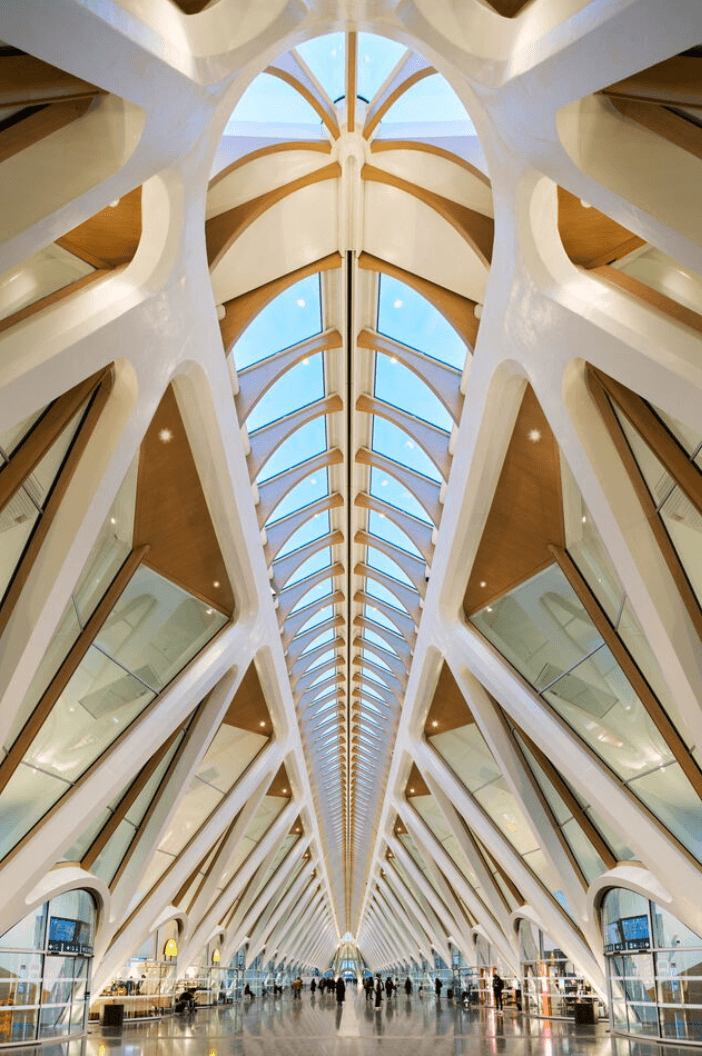
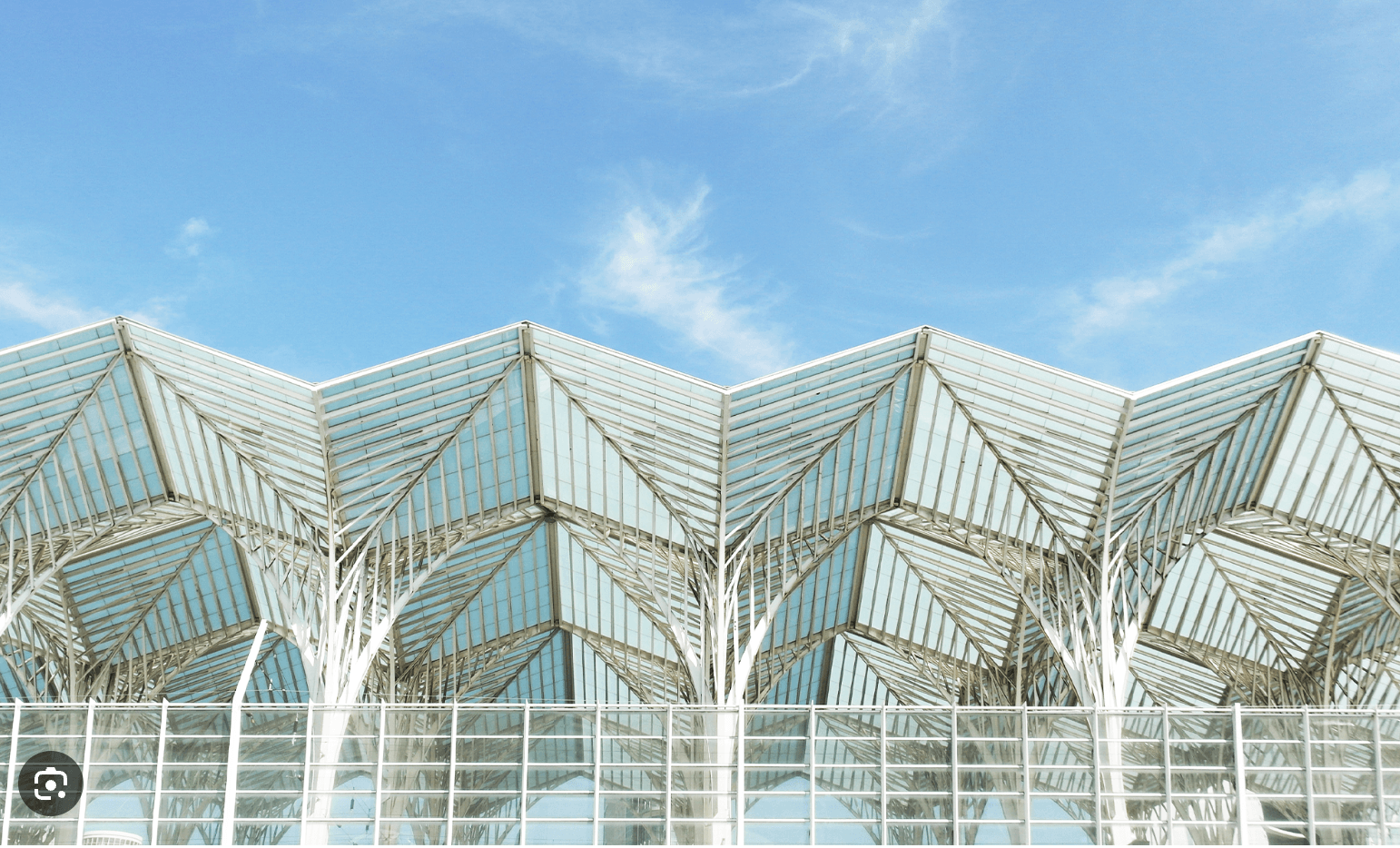
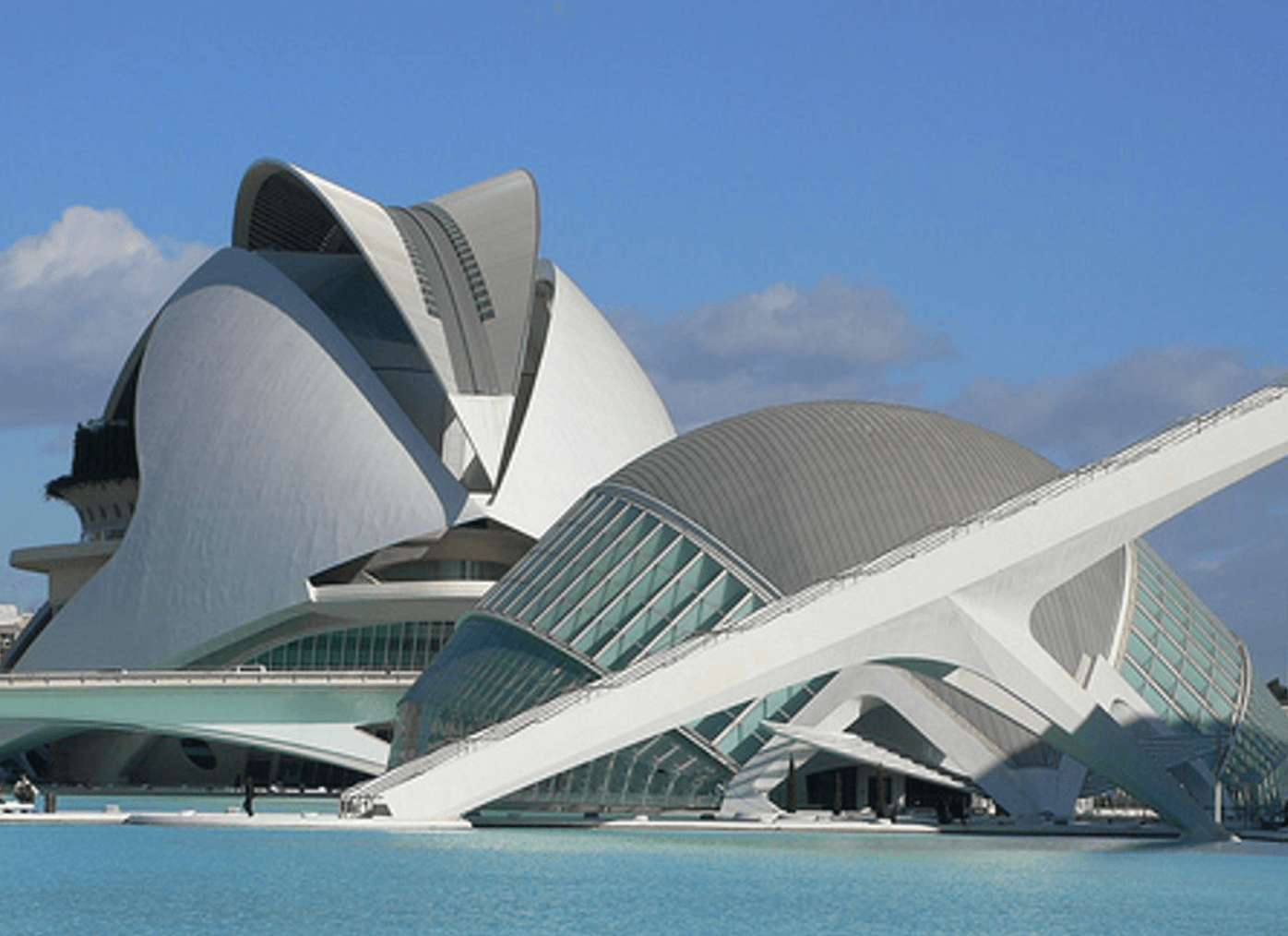
Image: City of Arts and Sciences, Valencia, Spain
A TOWN THAT GOES BEYOND THE CAMERA
Principle: A place feels real when it's built to be lived in, not just filmed in.
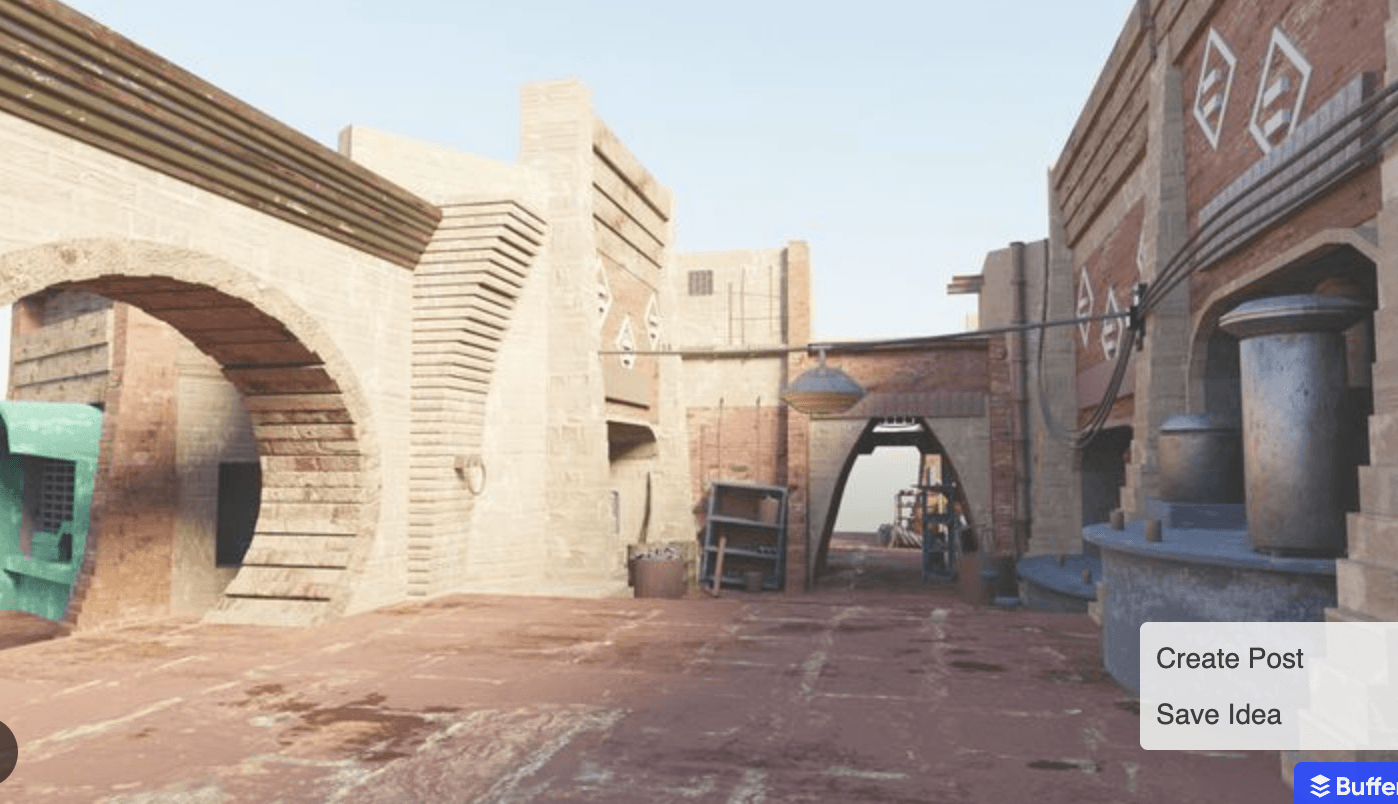
The example: Ferrix, Cassian's home trading post, was designed with 1920s Amsterdam as a reference point and built as one continuous backlot set rather than isolated stages — meaning the town worked as an actual walkable place, with sightlines and depth that exceeded whatever a single shot needed. That's the same instinct behind designing a full house rather than a single "hero" room: the spaces you don't photograph are what make the ones you do feel true.
MATERIAL AS STATUS
Principle: Material choice is one of the fastest ways to tell a story about wealth, power, or history — before a single word is spoken.
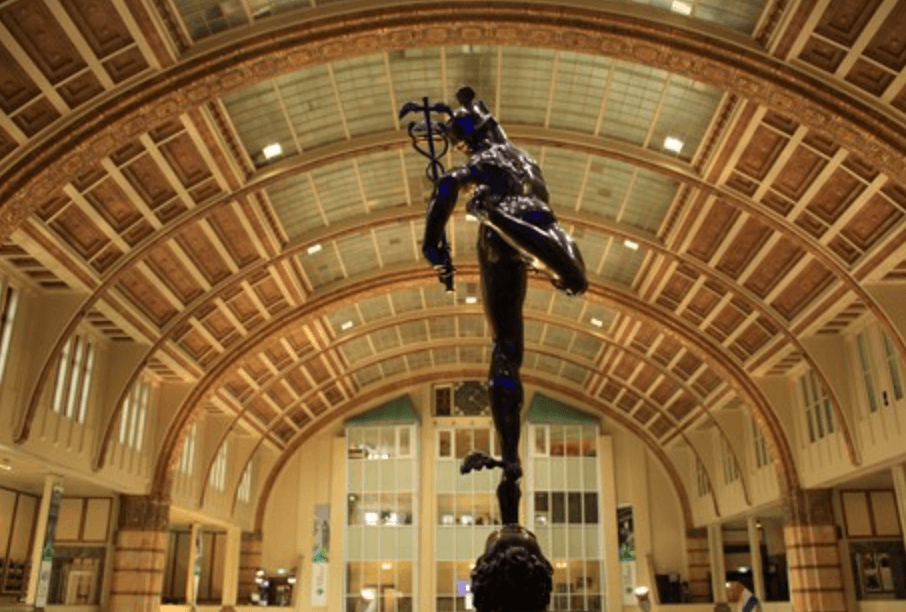
The example: For the planet Ghorman, Hull's team used travertine tile, marble, and dark wood to signal old money and cultural weight, distinguishing it from marble used elsewhere in the Star Wars universe by pairing it with different textures and finishes. The central plaza of the capital city was designed with what Hull called a rib-cage-like logic — an architectural skeleton that had to serve multiple functions at once, connecting a café, a lobby, and a public square into one legible structure.
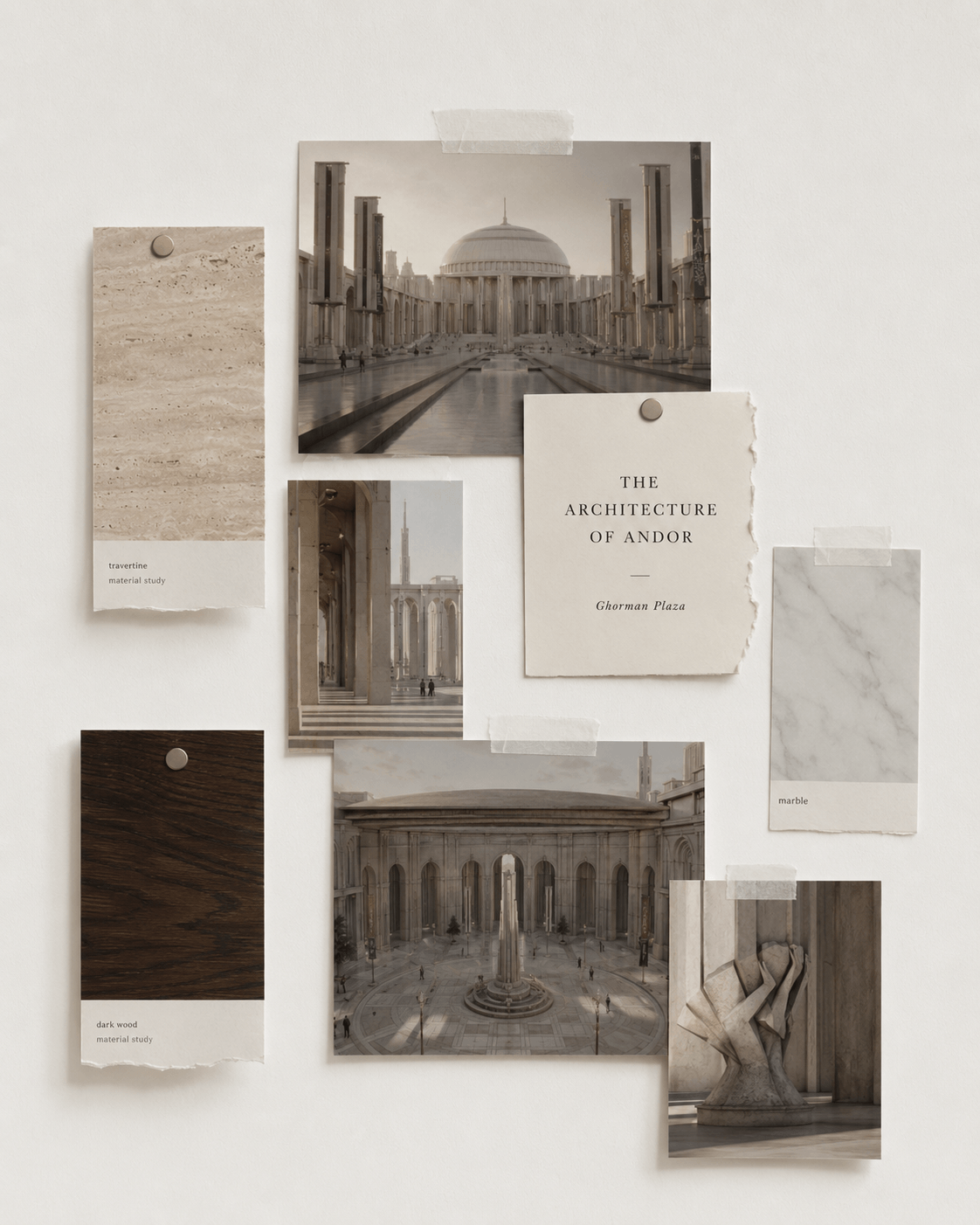
Image: Travertine, marble, and dark woods composition.
PRACTICE
Always start from a real reference before inventing a new one
Always design the parts no one will photograph
Always let material do the storytelling before detail does
RESOURCE LAYER
Luke Hull — production designer, Andor; Emmy winner for Outstanding Production Design
City of Arts and Sciences, Valencia — reference/location for the Senate complex
Barbican Estate, London — Brutalist reference for Coruscant's upper city
Santiago Calatrava — architectural reference for Coruscant's skyline
Lake Como, Italy — reference/location augmenting the planet Ghorman
Next time you're designing a space meant to hold a story — a client's home, a hospitality lobby, a single room — ask the Andor question: what's the real place this could have come from, and what would it be built out of if it had a hundred years of history behind it instead of a mood board?
What's a fictional space that's actually taught you something about real design?
Xo,